


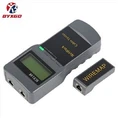


A transceiver is a device for signal conversion, usually referred to as a fiber optic transceiver. The emergence of optical fiber transceivers converts twisted-pair electrical signals and optical signals to each other, ensuring smooth transmission of data packets between the two networks, and at the same time extending the transmission distance limit of the network from 100 meters of copper wires to 100 kilometers (single mode fiber).
With the continuous development of technology, it has become the current trend that high-speed serial VO technology replaces traditional parallel I/O technology. The fastest parallel bus interface speed is 133 MB/s of ATA7. The transfer rate provided by the SATA1.0 specification released in 2003 has reached 150 MB/s, and the theoretical speed of SATA3.0 has reached 600 MB/s. When the device works at high speed, the parallel bus is susceptible to interference and crosstalk, which makes the wiring quite complicated. The use of serial transceivers can simplify layout design and reduce the number of connectors. Serial interfaces also consume less power than parallel ports with the same bus bandwidth. And the working mode of the device is changed from parallel transmission to serial transmission, and the serial speed can be doubled as the frequency increases.
FPGA-based embedded Gb speed level and low-power architecture advantages, it enables designers to use efficient EDA tools to quickly solve the problem of protocol and speed changes. With the wide application of FPGA, the transceiver is integrated in FPGA, which has become an effective way to solve the problem of equipment transmission speed.