


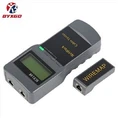


Fiber Optic PLC Splitter
Why Choose Us
Quality Control
We have built a professional quality control team to accurately inspect every raw material and every production process.
24H Online Service
We try and respond to all concerns within 24 hours and our teams are always at your disposal in case of any emergencies.
Professional Team
Our professional team collaborates and communicates effectively with each other, and is dedicated to delivering high quality results. We are capable of handling complex challenges and projects that require our specialized expertise and experience.
Advanced Equipment
A machine, tool or instrument designed with advanced technology and functionality to perform highly specific tasks with greater precision, efficiency and reliability.
What is Fiber Optic PLC Splitter
A fiber optic PLC splitter is a device that uses planar lightwave circuit (PLC) technology to split an optical signal into multiple output signals. PLC technology is a type of waveguide technology that uses photolithography and etching techniques to fabricate optical components directly on a silicon chip.


Advantages of Fiber Optic PLC Splitter
High Splitting Ratio: Fiber optic PLC (Planar Lightwave Circuit) splitter offers high splitting ratios, allowing a single input to be divided into multiple outputs. This makes it ideal for connecting multiple devices or users to a single network.
Compact Size: PLC splitters are designed using a planar lightwave circuit technology, which allows for a compact form factor. This makes them easy to install and saves valuable space in network cabinets or distribution boxes.
Low Insertion Loss: PLC splitters have low insertion loss, which means there is minimal signal degradation when the optical signal is split into multiple channels. This ensures efficient transmission of data without compromising network performance.
Broadband Operation: Fiber optic PLC splitters can operate over a wide range of wavelengths, including 1260nm to 1650nm, making them suitable for various applications such as FTTx (Fiber to the x) networks, passive optical networks (PON), and wavelength division multiplexing (WDM) systems.
Excellent Uniformity: PLC splitters provide excellent signal uniformity, ensuring that each output channel receives an equal amount of optical power. This helps in maintaining a balanced and stable network connection.
High Reliability: PLC splitters are fabricated using reliable and stable materials, ensuring long-term performance and durability. They are also insensitive to temperature fluctuations and environmental factors, making them suitable for outdoor installations.
Cost-effective: Fiber optic PLC splitters offer a cost-effective solution for dividing and distributing optical signals. They eliminate the need for additional expensive equipment and simplify network infrastructure, reducing overall costs.
Ease of Integration: PLC splitters can easily be integrated into existing optical networks without disrupting the overall network structure. They are compatible with various types of fiber optic connectors, making installation and maintenance hassle-free.
Flexible Configuration Options: PLC splitters are available in various configurations, including 1x2, 1x4, 1x8, 1x16, 1x32, and higher ratios, allowing for flexibility in network design and scalability.
Support for Multiple Applications: Fiber optic PLC splitters can support various applications such as data communication, telecommunication, CATV (Cable Television), and more. Their versatility makes them suitable for a wide range of network setups.
Common Types of Fiber Optic PLC Splitter
1x2 Splitter: This type of splitter is the most basic type and is used to split an incoming signal into two output signals. It is commonly used in passive optical networks (PON) where one fiber is split into two fibers for transmission to multiple locations.
1x4 Splitter: This splitter takes one input fiber and splits it into four output fibers. It is often used in residential or small business applications where there is a need to distribute the signal to multiple devices or users.
1x8 Splitter: Similar to the 1x4 splitter, the 1x8 splitter takes one input fiber and splits it into eight output fibers. This type of splitter is typically used in larger scale deployments, such as multi-dwelling units or office buildings, where more users or devices need access to the network.
1x16 Splitter: The 1x16 splitter is designed to split one incoming signal into sixteen output signals. It is commonly used in high-density fiber optic networks, such as data centers or large enterprise networks, where there is a need to distribute the signal to a large number of devices or users.
2x2 Splitter: This type of splitter takes two input fibers and splits them into two output fibers each. It is often used in bidirectional communication systems, where signals need to be transmitted in both directions.
2x4 Splitter: The 2x4 splitter takes two input fibers and splits them into four output fibers each. It is commonly used in applications where there is a need to split and distribute signals to multiple devices or users in both directions.
2x8 Splitter: Similar to the 2x4 splitter, the 2x8 splitter takes two input fibers and splits them into eight output fibers each. It is commonly used in larger scale deployments where more users or devices need access to the network in both directions.
2x16 Splitter: The 2x16 splitter takes two input fibers and splits them into sixteen output fibers each. It is typically used in high-density fiber optic networks where there is a need to distribute signals to a large number of devices or users in both directions.
Operation Details about Fiber Optic PLC Splitter
Structure: A fiber optic PLC splitter consists of a planar lightwave circuit chip, input and output fibers, and a splitter module. The PLC chip is the core component of the splitter, responsible for splitting the input signal into multiple output signals.
Fiber Connection: The input and output fibers are connected to the splitter module using connectors or splicing. The fibers are carefully aligned and connected to ensure minimal signal loss during the splitting process.
Signal Splitting: When the optical signal enters the input fiber, it is directed to the PLC chip inside the splitter module. The chip uses a combination of waveguides to divide the input signal into multiple outputs in a precise and controlled manner. PLC splitters can split signals into various configurations, such as 1x2, 1x4, 1x8, 1x16, or higher ratios.
Signal Quality: Fiber optic PLC splitters are designed to ensure minimal signal loss, insertion loss, and return loss. High-quality splitters provide excellent signal performance, with low loss and low crosstalk between the output ports.
Split Ratio: The split ratio of a PLC splitter determines the distribution of the input signal among the output ports. For example, a 1x4 splitter evenly divides the input signal into four equal output signals. The split ratio can be customized based on specific network requirements.
Application: PLC splitters are commonly used in various fiber optic network architectures, including passive optical networks (PON), fiber-to-the-home (FTTH) installations, and telecommunication systems. They are essential for distributing optical signals to multiple end-users or devices.
Environmental Considerations: Fiber optic PLC splitters should be operated within the specified temperature range and humidity levels to ensure optimal performance. Extreme temperature or humidity conditions may affect the overall signal quality and longevity of the splitter.
Maintenance and Cleaning: Regular inspection, maintenance, and cleaning of the fiber optic PLC splitter are essential for sustained performance. The connectors and fibers should be inspected for any damages or contamination, and if necessary, cleaned using appropriate tools and methods.
Working Principle of Fiber Optic PLC Splitter
The working principle of a fiber optic PLC (Planar Lightwave Circuit) splitter can be described through the following points:
Light input: The input signal, typically in the form of an optical fiber, enters the PLC splitter.
Coupling: The input light is coupled into the waveguide structure of the splitter. A waveguide is a thin film that carries light signals through total internal reflection.
Multi-branching: Inside the splitter, the input light is split into multiple branches or paths, distributing the signal to different output ports.
Waveguide network: The waveguide network, often in the form of a Y-shaped or tree-like structure, is designed to divide the optical power equally or unequally depending on the desired splitting ratio.
Splitting ratio: The splitting ratio is determined by the design and fabrication of the waveguide structure. Common splitting ratios include 1:2, 1:4, 1:8, or even higher.
Signal output: The split light signals are then directed to different output ports, each corresponding to a specific splitting ratio.
Low loss and high isolation: PLC splitters are designed to have low insertion loss, meaning minimal signal power is lost during the splitting process. Moreover, they offer high isolation between input and output ports, reducing signal interference.
Passive operation: PLC splitters do not require any external power supply or active components, making them passive devices that work solely based on the principles of light propagation and splitting.
Compact and reliable: PLC splitters are typically integrated on a small chip or packaged as a module, offering a compact and reliable solution for splitting optical signals.
Applications: Fiber optic PLC splitters find widespread applications in telecommunications, fiber-to-the-home (FTTH) networks, cable television (CATV) systems, and various optical communication systems where signal distribution to multiple locations is required.
Maintenance Tips for Fiber Optic PLC Splitter


Regular Cleaning: The fiber optic PLC splitter should be cleaned regularly to remove any dust or debris that may accumulate on the surface. Use a lint-free cloth and gently wipe the splitter to maintain optimal performance.
Avoid Harsh Cleaning Solutions: When cleaning the PLC splitter, it is important to avoid using harsh cleaning solutions or alcohol-based cleaners. These can damage the delicate fibers and connectors. Stick to mild cleaning solutions such as water or fiber optic cleaning solutions.
Inspect for Physical Damage: Regularly inspect the PLC splitter for any physical damage such as cracks, bent fibers, or loose connectors. Any damage should be immediately repaired or replaced to prevent signal loss or degraded performance.
Keep Dust Caps on: When the PLC splitter is not in use, always keep the dust caps on the connectors to protect them from dust, moisture, and other contaminants. This helps to maintain the integrity of the connections.
Avoid Bending: Fiber optic cables and connectors are sensitive to excessive bending. Avoid applying too much pressure or sharp bends to prevent damage to the fibers. If necessary, use protective tubing or cable management solutions to ensure proper bending radius.
Follow Proper Installation Procedures: During installation or maintenance, always follow the manufacturer's guidelines and recommended procedures. Improper handling or installation can lead to performance issues or even permanent damage to the PLC splitter.
Test and Monitor Performance: Regularly test and monitor the performance of the fiber optic PLC splitter using appropriate tools and equipment. This helps to identify any potential issues or degradation in signal quality. Take corrective measures if necessary.
Protect from ESD: Electrostatic discharge (ESD) can damage the sensitive optical components of the PLC splitter. Take necessary precautions to prevent ESD by using antistatic mats, wrist straps, and appropriate grounding during handling and installation.
Proper Storage: When not in use, store the PLC splitter in a clean and dry environment away from dust, excessive heat, or direct sunlight. This helps to prolong its lifespan and maintain optimal performance.
Professional Maintenance: If you are unsure about handling or maintaining the fiber optic PLC splitter, it is recommended to seek professional help. Certified technicians have the expertise and tools to handle the equipment safely and effectively.
Installation: Make sure the PLC splitter is installed correctly. Follow the manufacturer's guidelines and ensure that all connections are secure. Improper installation can lead to signal loss or interruption.
Connector type: Determine the appropriate connector type for your specific application. Common connector types include SC, LC, and FC. Choosing the right connector type is crucial for seamless connectivity.
Fiber type: It is important to match the splitter with the appropriate fiber type. There are different types of fibers available, such as single-mode fiber (SMF) or multimode fiber (MMF). Ensure that the splitter is compatible with the fiber type you are using.
Splitting ratio: Determine the required splitting ratio based on your network requirements. PLC splitters are available in various splitting ratios, such as 1:2, 1:4, 1:8, or even higher. Choose the splitting ratio that suits your needs.
Environmental considerations: Fiber Optic PLC Splitters are sensitive to environmental factors. Avoid exposing them to extreme temperatures, humidity, or direct sunlight. It is advisable to install them in a controlled environment to ensure optimal performance and longevity.
Quality of components: Use high-quality components for better performance and durability. Inferior components may result in signal loss or degradation. Invest in reputable brands and ensure that the PLC splitter meets industry standards.
Maintenance: Regular inspection and maintenance are essential to keep the PLC splitter operating efficiently. Routinely check for any loose connections or damaged cables. Cleaning the connectors and ensuring they are free from dust or debris can prevent signal loss.
Compatibility: Ensure that the PLC splitter is compatible with other network equipment, such as transceivers or switches. Incompatible equipment can hinder the overall performance of the network.
Future scalability: Consider future expansion or upgrades when choosing the right splitter. Opt for a modular design that allows easy scalability, enabling you to add more connections or increase the splitting ratio if needed.
Professional assistance: If you are unsure or inexperienced in handling Fiber Optic PLC Splitters, it is always best to seek professional assistance. They can ensure proper installation, configuration, and troubleshooting, minimizing the risk of errors or damage.
What are Features of Fiber Optic PLC Splitter?
Small Size
PLC splitters are designed in a compact and miniaturized form, making them ideal for space-constrained environments.
High Splitting Ratio
PLC splitters can achieve high levels of splitting ratio, such as 1:2, 1:4, 1:8, 1:16, 1:32, and even higher. This allows for efficient distribution of signals to multiple end points.
Ease of Installation
The compact size of PLC splitters, along with their plug-and-play design, makes them easy to install and maintain. They can be conveniently integrated into existing fiber optic networks without extensive modifications.
Wide Operating Wavelength Range
Fiber optic PLC splitters support a wide range of operating wavelengths, typically ranging from 1260nm to 1650nm. This compatibility with different wavelengths makes them versatile for various network applications.
Low Insertion Loss
PLC splitters have low insertion loss, which refers to the amount of optical power lost when the signal passes through the splitter. This ensures minimal signal degradation and high transmission efficiency.
Uniform Splitting
The splitting ratio of a PLC splitter is uniform across all output ports, ensuring equal distribution of optical power to multiple connections. This feature is crucial for maintaining signal integrity and preventing loss.
Excellent Performance
Fiber optic PLC splitters offer excellent performance in terms of low polarization-dependent loss (PDL) and high return loss (RL). PDL refers to the variations in splitting ratio due to polarization-related factors, while RL measures the amount of light reflected back towards the source.
Reliable and Durable
PLC splitters are built with high-quality materials that ensure durability and longevity. They can withstand harsh environmental conditions, such as temperature variations and humidity, without compromising performance.
Cost-effective
PLC splitters offer a cost-effective solution for fiber optic network deployments, as they allow for efficient sharing of optical signals among multiple end users. Their compact size and easy installation further contribute to cost savings.
What Are the Main Components of a Fiber Optic PLC Splitter?
Optical Fiber: The splitter is constructed using high-quality optical fibers that have excellent light transmission properties. These special fibers are designed to carry the optical signals with minimal loss and distortion.
Input/Output Fiber Arrays: The splitter has input and output fiber arrays that consist of multiple individual fibers. The input fiber array receives the incoming optical signal, while the output fiber array distributes the split signals to respective destinations.
Planar Waveguide Chip: At the heart of the splitter is a planar waveguide chip made from a special glass substrate. This chip is designed to divide the incoming optical signal into multiple output signals using various waveguide structures.
Photonic Integrated Circuit (PIC): The planar waveguide chip incorporates a photonic integrated circuit, which consists of various optical components like waveguides, couplers, and splitters. These components are integrated onto a single chip, offering compactness and reliability.
Couplers: The couplers are key elements in the splitter that facilitate the splitting of the optical signal. They divert a portion of the input signal to each output port, ensuring equal distribution.
Waveguides: The waveguides act as channels for guiding the light signal through the splitter. They are designed to maintain the integrity and minimize the losses of the split signals.
Splitters: The splitters on the planar waveguide chip divide the input optical signal into desired split ratios. They can evenly distribute the signal among output ports with specific split ratios, such as 1:2, 1:4, 1:8, or 1:16.
Housing: The splitter is enclosed in a protective housing to ensure stability and protect it from external influences. The housing also provides fiber management, securing the input and output fibers in place.
Connectors: The input and output fibers are terminated with connectors, such as SC or LC connectors. These connectors facilitate the easy connection of the splitter to the optical cables or other network devices.
What Are the Functions of a Fiber Optic PLC Splitter?

Signal Distribution
The primary function of a PLC splitter is to distribute the input optical signal to multiple output ports evenly. This allows for the signal to be transmitted simultaneously to different destinations, reducing overall network congestion.

Multiple Connections
EPLC splitters enable the connection of multiple devices or users to a single optical line. This is particularly useful in applications such as FTTx (Fiber to the x) networks, where a single fiber optic cable is used to provide services to multiple subscribers.

Loss Minimization
PLC splitters aim to minimize the loss of optical power during signal splitting. With low insertion loss, the splitter ensures that the transmitted signal strength is maintained, resulting in a reliable and efficient data transmission.

Wavelength Independence
Fiber optic PLC splitters are also wavelength-independent. This means that they can split signals across a wide range of wavelengths, allowing for flexibility in network design and compatibility with different optical transmission systems.

Compact Design
PLC splitters typically have a compact and space-saving design. They are often implemented as small chips or modules that can be easily integrated into optical distribution cabinets or patch panels, making them suitable for deployments where space is limited.

Scalability
PLC splitters offer scalability, allowing for easy expansion or modification of network configurations. Additional splitters can be added or replaced as network requirements change, ensuring a flexible and adaptable network infrastructure.
Signal Isolation
PLC splitters provide excellent signal isolation between output ports, preventing interference or crosstalk between different channels. This ensures the integrity and quality of the transmitted data.

Easy Installation
Fiber optic PLC splitters are typically designed for ease of installation. They often feature standard connector interfaces, such as SC, LC, or FC, ensuring compatibility with other optical components and minimizing installation time and effort.
Factors to Consider When Selecting Fiber Optic PLC Splitter
Splitter Ratio: The splitter ratio refers to the division of power among the output ports. It is important to consider the splitter ratio required for the specific network application. Common ratios include 1:2, 1:4, 1:8, and 1:16, among others.
Insertion Loss: This refers to the amount of signal loss that occurs when the optical signal passes through the splitter. It is crucial to choose a splitter with low insertion loss to ensure minimal signal degradation.
Return Loss: Return loss measures the amount of light reflected back towards the source due to impedance mismatches. A higher return loss indicates better signal transmission efficiency. It is advisable to select a splitter with a high return loss value.
Operating Wavelength: The splitter should be compatible with the operating wavelength of the network. Different applications require different wavelengths, such as 1310nm or 1550nm. It is essential to ensure that the splitter is optimized for the desired wavelength.
Polarization Sensitivity: Some splitters may exhibit polarization sensitivity, meaning that the signal may attenuate differently depending on the polarization direction of the light. In applications where polarization sensitivity is a concern, it is necessary to choose a splitter with low polarization sensitivity.
Environmental Considerations: Consider the environmental conditions in which the splitter will be deployed. Factors like temperature range, humidity, and exposure to dust or moisture should be taken into account to ensure the selected splitter can withstand the environment.
Reliability: Select a splitter from a reputable manufacturer known for producing high-quality products. Reliable splitters are less likely to fail or require frequent maintenance, which can cause network downtime.
Size and Compatibility: Consider the physical dimensions of the splitter, especially if space is limited. Ensure that the splitter is compatible with the connectors and cables used in your network infrastructure.
Cost: Evaluate the cost of the splitter in relation to its features and quality. While it is important to consider budget constraints, prioritize quality and performance to avoid future complications.
Expandability: If there is a possibility of network expansion in the future, consider splitters that can be easily upgraded or added to the existing setup. This will save costs and minimize disruptions during network upgrades.
What Is the Manufacturing Process of Fiber Optic PLC Splitter?
Preparing raw materials: Obtain the necessary components such as high-quality optical fiber, silica glass, and other necessary materials.
Fiber preparation: Strip off the protective coating from the fiber and clean it thoroughly to ensure optimal signal transmission.
Assembly of the splitter chip: The PLC splitter chip consists of multiple waveguides that split the optical signal. It is usually made using silica glass. The chip is carefully assembled, aligned, and bonded to a substrate using specialized equipment.
Substrate preparation: The substrate, often made of silica or other suitable materials, is prepared by creating grooves or trenches to house the waveguides. The grooves are precisely etched using lithography or other techniques.
Waveguide integration: The splitter chip is placed into the grooves on the substrate, ensuring the correct alignment of the waveguides. The chip-to-substrate attachment is typically done using adhesives or other bonding methods.
Fiber attachment: The optical fibers are aligned with the corresponding waveguides on the splitter chip. Fiber array blocks or V-grooves help maintain the alignment during the attachment process.
Fusion splicing: The optical fibers are fused to the waveguides using fusion splicing techniques to ensure efficient signal transfer. Fusion splicing involves carefully aligning the fiber cores and then applying heat to create a permanent, low-loss connection.
Testing and quality control: The assembled PLC splitter module is carefully inspected and tested for various parameters such as insertion loss, return loss, and uniformity. This ensures that the splitter meets the required specifications and standards.
Packaging: Once the PLC splitter module passes the quality control tests, it is packaged into a protective casing. The casing may include connectors, adapters, and other necessary components for easy integration into fiber optic networks.
Final testing: The packaged PLC splitter module undergoes a final round of testing to validate its performance and ensure it meets the desired specifications.
Quality assurance: Throughout the manufacturing process, quality control measures are implemented to ensure consistency, reliability, and performance of the fiber optic PLC splitter.
Documentation and labeling: All necessary documentation and labeling, including product specifications, manufacturing details, and compliance certifications, are prepared and attached to the finished PLC splitter modules.
What Are the Storage Requirements for Fiber Optic PLC Splitter?
Temperature
Fiber optic PLC splitters should be stored within a temperature range of -40°C to +85°C. Extreme temperatures can cause damage to the components and affect their performance. It is important to avoid storing them in places exposed to direct sunlight, high humidity, or rapid temperature changes.
Humidity
The storage area should have a controlled humidity level of 75% or less. High humidity can lead to moisture ingress and corrosion, which can degrade the performance of the PLC splitter. It is recommended to store them in a dry environment or use desiccant packets to absorb moisture.
Dust and debris
PLC splitters should be stored in a clean and dust-free area. Dust particles can accumulate on the connectors or inside the splitter, leading to signal loss or interference. It is advisable to keep them in a sealed container or packaging to prevent dust and debris from settling on the components.
Handling
When storing fiber optic PLC splitters, it is crucial to handle them with care to avoid any physical damage. Rough handling can cause microcracks or misalignment of the optical fibers, resulting in signal degradation. They should be stored in a place where they are not prone to accidental drops or impacts.
Packaging
PLC splitters should be stored in their original packaging or suitable protective containers. The packaging helps to provide cushioning and prevent any external pressure or vibrations from affecting the delicate components. It is advisable not to remove them from the packaging until they are ready to be installed or used.
Labeling and organization
It is essential to label and organize the storage area to keep track of different types or sizes of PLC splitters. Proper organization can help avoid mix-ups, damage, or loss of the components. Additionally, a clear labeling system enables easy identification and retrieval when needed.
How to Control the Quality of Fiber Optic PLC Splitter During the Manufacturing Process?
Rigorous Material Selection: Begin by selecting high-quality materials for the fiber optic PLC splitter, including fiber, connectors, and protective casings. The chosen materials should meet industry standards and have a proven track record of reliability.
Precise Manufacturing Techniques: Utilize advanced manufacturing techniques and equipment to ensure precision during the production process. This includes cutting fiber, aligning connectors, and encapsulating the splitter components. Consistency and accuracy are vital to maintain the performance of the PLC splitter.
Quality Assurance Checks: Implement a rigorous quality control system throughout the manufacturing process. Inspect each component for defects, measure dimensions accurately, and perform optical performance tests. Regular inspections at various stages of production help identify any issues early on.
Standardized Testing Procedures: Develop standardized testing procedures that encompass all important performance parameters such as insertion loss, return loss, and polarization-dependent loss (PDL). Conduct these tests with calibrated equipment to ensure accurate results.
Environmental Considerations: Pay attention to environmental factors that may impact the performance of the PLC splitter. Control temperature and humidity during manufacturing, storage, and transportation to prevent any potential damage to the components.
Proper Documentation: Maintain detailed records throughout the manufacturing process, including specifications, test results, and any deviations from set standards. This documentation helps track the quality of each individual splitter and allows for traceability if any issues arise in the future.
Staff Training: Ensure that all personnel involved in the manufacturing process receive proper training on handling fiber optic PLC splitters. This includes understanding the importance of cleanliness, avoiding contamination, and following established procedures accurately.
Continuous Improvement: Establish a culture of continuous improvement by regularly reviewing manufacturing processes, identifying areas for enhancement, and implementing necessary changes. Encourage feedback from customers and internal quality control teams to drive ongoing improvement efforts.
Compliance with Standards: Adhere to industry-specific standards and certifications to guarantee the reliability and compatibility of the fiber optic PLC splitter. Compliance with recognized standards ensures the splitter's performance meets the expectations of customers and the market.
Customer Feedback: Finally, actively seek customer feedback on the performance and functionality of the fiber optic PLC splitter. Listen to their suggestions and address any concerns promptly to further improve and refine the quality control process.
How to Evaluate the Performance of Fiber Optic PLC Splitter?
Insertion Loss: It is important to measure the insertion loss of a PLC splitter as it indicates the loss of signal power during the splitting process. Lower insertion loss values indicate better performance.
Uniformity: Uniformity refers to the consistency of the split signal among all output ports. A good PLC splitter should have a high level of uniformity, ensuring that each output port receives an equal amount of signal power.
Return Loss: Return loss measures the amount of light reflected back towards the source. A low return loss indicates that the splitter efficiently passes the signal through without reflection, enhancing the overall performance.
Directivity: Directivity measures the ability of the splitter to separate the forward signal from the reflected signals. A high directivity value ensures that the splitter efficiently transfers the signal to the intended output ports, minimizing signal loss.
Polarization Dependent Loss (PDL): PDL measures the difference in the loss of signal power between different polarization states. A lower PDL value indicates better performance and ensures that the splitter does not favor one polarization over another.
Operating Wavelength: Fiber optic splitters are designed to operate within specific wavelength ranges. Ensure that the PLC splitter you are evaluating is compatible with your desired wavelength range to maintain optimal performance.
Temperature Stability: Evaluate the performance of the PLC splitter in different temperature conditions. A good splitter should have excellent temperature stability, ensuring consistent performance across various environmental factors.
Durability: Assess the durability and reliability of the PLC splitter. Consider factors such as the quality of the materials used, the manufacturing process, and any certifications or standards met to ensure long-term performance.
Ease of Installation: Consider the ease of installation and maintenance of the splitter. Look for features such as compact size, various mounting options, and clear documentation for trouble-free integration into the network.
Cost-effectiveness: Evaluate the price-performance ratio of the PLC splitter. Consider the above parameters in conjunction with the price to determine the overall value of the splitter.
Visual inspection: Start by visually inspecting the PLC splitter for any physical damages or defects. Check for any cracks, bends, or loose connections that might affect its durability.
Insertion loss testing: Use an insertion loss testing equipment to measure the signal loss when the PLC splitter is connected to the optical fiber network. Higher insertion loss values indicate poor quality or damaged splitter.
Return loss testing: Measure the amount of light reflection from the PLC splitter using a return loss testing equipment. Higher return loss values signify better durability and signal quality.
Temperature cycling test: Place the PLC splitter in a temperature chamber and subject it to extreme temperature cycles. This test evaluates the splitter's ability to withstand temperature variations without performance degradation.
Mechanical stress test: Apply mechanical stress to the PLC splitter by bending, twisting, or flexing it. Assess its durability by measuring the change in insertion loss and return loss before and after the stress is applied.
Vibration test: Subject the PLC splitter to vibration using a vibration testing equipment. This test simulates the conditions the splitter might encounter during transportation or environmental factors such as earthquakes.
Environmental exposure test: Expose the PLC splitter to various environmental conditions such as humidity, dust, and moisture to assess its resistance against these factors. Monitor the insertion loss and return loss parameters during and after exposure.
EMI/RFI test: Expose the PLC splitter to electromagnetic interference (EMI) and radio frequency interference (RFI) to determine its resilience against external electromagnetic fields. Measure the insertion loss and return loss for any deviations.
Water immersion test: Submerge the PLC splitter in water to test its water resistance. Monitor the insertion loss and return loss to ensure the splitter maintains its performance while submerged.
Long-term durability test: Conduct a long-term test to evaluate the durability and reliability of the PLC splitter over an extended period. Monitor the insertion loss and return loss periodically to ensure consistent performance.
What Are the Special Requirements for Packaging Materials for Fiber Optic PLC Splitter?
Moisture resistance
Fiber optic PLC splitters are precision optical equipment and are very sensitive to humidity. Therefore, packaging materials need to have good moisture-proof properties to prevent the equipment from getting damp during transportation and storage.

Shock resistance
Fiber optic PLC splitters may be subject to vibrations and shocks during transportation, which may affect their performance. Therefore, packaging materials need to have good shock-proof properties to protect equipment from vibration and impact damage.
Dustproof
The optical components of the fiber optic PLC splitter are very sensitive to dust, and dust may reduce its performance. Therefore, packaging materials need to have good dust-proof properties to prevent dust from entering the interior of the package.
Environmental protection
With the improvement of environmental awareness, more and more companies and organizations have begun to pay attention to the environmental protection of products. Therefore, when selecting packaging materials for optical fiber PLC splitters, you need to consider their environmental performance and try to choose renewable, recyclable or degradable materials.
How to Prevent Mold from Fiber Optic PLC Splitter?
Store in a dry environment: Keep the fiber optic PLC splitter in a well-ventilated and humidity-controlled room. Avoid storing it in places with excessive moisture, such as basements or areas prone to water leaks.
Install moisture barriers: Use moisture barriers, such as silica gel packets or moisture-absorbing pads, when storing or transporting the PLC splitter. These can help absorb any residual moisture and prevent mold growth.
Regular cleaning: Clean the PLC splitter on a regular basis using a soft, lint-free cloth. Remove any dust, dirt, or moisture that may have accumulated on the surface. Ensure that the splitter is completely dry before reinstalling or storing it.
Inspect for leaks: Regularly inspect the surroundings of the PLC splitter for any signs of water leaks or excessive moisture. Address any leaks immediately to prevent the growth of mold on the splitter.
Proper ventilation: Ensure that the room or cabinet where the PLC splitter is installed has proper ventilation. Good air circulation helps to prevent the buildup of moisture and reduces the risk of mold growth.
Maintain ideal temperature: Maintain a suitable temperature range (typically between 18-28°C) for the equipment. High temperatures can increase humidity levels, while low temperatures can cause condensation, both of which can contribute to mold growth.
Use anti-fungal sprays: Consider using anti-fungal sprays or coatings specifically designed for electronics and fiber optic equipment. These products can help inhibit the growth of mold and provide an additional layer of protection.
Regular inspection and maintenance: Perform routine inspections to check for any signs of mold growth or moisture damage on the splitter. If any issues are detected, take immediate steps to address them and ensure the proper functioning of the equipment.
How to improve the production efficiency of Fiber Optic PLC Splitter?
Implement Lean Manufacturing Techniques: Embrace lean manufacturing principles such as reducing waste, optimizing processes, and improving overall production flow. This approach eliminates unnecessary steps and improves productivity.
Automate Production Processes: Introduce automated systems and machinery to minimize human involvement in repetitive tasks. Automation helps to streamline processes, reduce errors, and increase throughput.
Enhance Equipment and Tooling: Upgrade and maintain production equipment to ensure its optimal performance. Use high-quality tools that are specifically designed for fiber optic splitter manufacturing to enhance efficiency and reduce rejections.
Standardize Work Procedures: Develop standardized work instructions and procedures to ensure consistency in all stages of production. This avoids variations and provides clarity to the workforce, leading to improved efficiency.
Train and Empower Employees: Provide regular training to employees to enhance their skills and knowledge. Empower them to make decisions and contribute ideas for process improvement, creating a culture of continuous improvement.
Implement Total Productive Maintenance (TPM): Adopt TPM principles to ensure that equipment is running at optimal levels and minimize downtime. Regular maintenance and inspection can prevent unexpected failures and decrease production interruptions.
Optimize Material Handling: Improve the efficiency of material flow and handling. Implement just-in-time (JIT) inventory management to minimize inventory levels and reduce storage space requirements. This reduces unnecessary movement and increases overall efficiency.
Improve Quality Control Processes: Implement stringent quality control measures throughout the production cycle. Regular inspection, testing, and monitoring of the fiber optic splitters will help identify and rectify defects early, reducing rework and wastage.
Enhance Communication and Collaboration: Foster effective communication and collaboration between different departments involved in the production process. This can help in resolving issues quickly, preventing bottlenecks, and improving overall efficiency.
Continuous Process Improvement: Encourage a culture of continuous improvement by monitoring and analyzing production data, identifying bottlenecks, and implementing corrective actions. Embrace new technologies and stay up-to-date with industry advancements to continually improve production efficiency.
Our Factory
Babaolu (Shenzhen) International Technology Co., Ltd. founded in September 24, 2009 in Haidian District, Beijing, is a franchise fiber network products enterprise, products are optical fiber tools and accessories (optical power meter, red light pen, fiber jumper, tail fiber, optical power red light integrated machine cold connector, transceiver, Optical time domain reflectometer (OTDR), optical fiber found disabled apparatus, network tester, fast connection, cold pick up tools, etc.) product development and sales business, has a professional technical team, the omni-directional high-quality service strong financial strength, the company adhering to the customer first, sincere for this, the pursuit of excellence, to provide cost-effective first-class products and the best quality service and mutual benefit and win-win business philosophy, We have won the trust and long-term cooperation of our customers.

FAQ
Q: What is a Fiber Optic PLC Splitter?
Q: What are the advantages of using Fiber Optic PLC Splitters?
●They have low insertion loss, minimizing signal degradation.
●They offer excellent stability and reliability.
●They have a wide working wavelength range and can be used in various applications.
●They are compact and suitable for space-constrained environments.
Q: What are the different types of Fiber Optic PLC Splitters available?
Q: How do Fiber Optic PLC Splitters work?
Q: What are the applications of Fiber Optic PLC Splitters?
●They find applications in Fiber-to-the-Home (FTTH) networks, where a single optical input is split into multiple outputs, connecting multiple users.
●They are also used in central office environments, local area networks (LANs), and other telecommunication systems.
Q: What are the key specifications to consider when selecting Fiber Optic PLC Splitters?
●Operating wavelength: The range within which the splitter operates effectively.
●Insertion loss: The power loss incurred when the signal passes through the splitter.
●Return loss: The amount of power reflected back towards the source.
●Environmental factors: Considerations such as temperature range, humidity, and durability.
Q: How to install Fiber Optic PLC Splitters?
●Fiber connectors are connected to the input and output ports of the PLC Splitter using patch cords or pigtails.
Q: Are Fiber Optic PLC Splitters compatible with different fiber types?
Q: Can Fiber Optic PLC Splitters be customized?
Q: How to maintain and clean Fiber Optic PLC Splitters?
●Clean the connectors using appropriate cleaning tools and inspection microscopes to remove dust and contaminants.
Q: How do I test a fiber optic PLC splitter?
Q: Is it possible to daisy-chain multiple fiber optic PLC splitters?
Q: What is the operating temperature range of a fiber optic PLC splitter?
Q: Can I use a fiber optic PLC splitter with single-mode or multimode fiber?
Q: What are the connectors used with fiber optic PLC splitters?
Q: Can I use a fiber optic PLC splitter in outdoor environments?
Q: How do I choose the right fiber optic PLC splitter for my application?
Q: What is the uniformity of a fiber optic PLC splitter?
Q: What is the insertion loss of a fiber optic PLC splitter?
Q: How many outputs can a fiber optic PLC splitter have?
As one of the most professional fiber optic plc splitter manufacturers and suppliers in China, we're featured by quality products and good service. Please rest assured to buy fiber optic plc splitter at competitive price from our factory.
6 core multimode optical cable, 40GB optical fiber, Armored jumper