


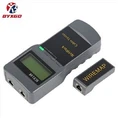


Fiber Optic Terminal Box
Why Choose Us
Quality Control
We have built a professional quality control team to accurately inspect every raw material and every production process.
24H Online Service
We try and respond to all concerns within 24 hours and our teams are always at your disposal in case of any emergencies.
Professional Team
Our professional team collaborates and communicates effectively with each other, and is dedicated to delivering high quality results. We are capable of handling complex challenges and projects that require our specialized expertise and experience.
Advanced Equipment
A machine, tool or instrument designed with advanced technology and functionality to perform highly specific tasks with greater precision, efficiency and reliability.
What is Fiber Optic Terminal Box
Fiber Optic Terminal Box is a device used in optical fiber communication networks. It is mainly used for splicing, branching and distribution of optical fibers to provide stable optical fiber connections in communication networks. Optical fiber terminal boxes usually have functions such as optical cable fixing, optical cable splicing, pigtail splicing, jumper optical cable handover, etc., and have good sealing and waterproof properties to ensure the stability and reliability of optical fiber communication.

Advantages of Fiber Optic Terminal Box
High speed and bandwidth: Fiber optic terminal boxes have the capability to support high-speed data transfers and provide gigabit or even terabit speeds. This allows for the transmission of large amounts of data in a short period.
Enhanced data security: Fiber optic cables transmit data using light signals, which cannot be easily tapped or intercepted. This makes them more secure than traditional copper cables, as they are resistant to electromagnetic interference and are difficult to hack.
Long transmission distance: Fiber optic cables can transmit data over long distances without any loss of signal quality. They can cover distances ranging from a few kilometers to several hundred kilometers, making them suitable for long-haul applications.
Immunity to environmental factors: Fiber optic cables are not affected by external factors like electromagnetic interference, crosstalk, or radio frequency interference. They are resistant to temperature fluctuations, moisture, and corrosive substances, making them ideal for use in harsh environments.
Higher carrying capacity: Fiber optic cables have a higher carrying capacity compared to traditional copper cables. They can accommodate a large number of data streams simultaneously, allowing for faster and more efficient data transmission.
Reduced signal loss: Fiber optic cables experience less signal loss compared to copper cables, even over long distances. This ensures that the data transmission remains clear and reliable without the need for additional signal boosters or repeaters.
Wide range of applications: Fiber optic terminal boxes are used in various industries and applications, including telecommunications, internet service providers, data centers, broadcasting, medical imaging, and more. They provide a versatile solution for transmitting data, voice, and video signals.
Cost-effective: Fiber optic terminal boxes may require a higher initial investment compared to copper cables, but they offer long-term cost savings. They require less maintenance, have a longer lifespan, and can support future technology upgrades without the need for extensive rewiring.
Compact and lightweight: Fiber optic terminal boxes are compact and lightweight, making them easy to install and handle. They take up less space compared to traditional copper cables, allowing for more efficient use of infrastructure.
Scalability: Fiber optic terminal boxes offer scalability, allowing for the addition of new connections or expansion of existing networks without major disruptions. This makes them highly flexible and adaptable to evolving network requirements.
Common Types of Fiber Optic Terminal Box
Wall-mounted terminal box: This type of terminal box is designed to be easily mounted on a wall, making it convenient for installation in a variety of locations. It can accommodate multiple fiber optic cables and offers easy access for maintenance and troubleshooting.
Splitter terminal box: Splitter terminal boxes are specifically designed to house fiber optic splitters. Splitters are used to divide optical signals into multiple paths for distribution to different locations. These terminal boxes provide a protective and organized housing for the splitters, ensuring efficient signal distribution.
Rack-mounted terminal box: Rack-mounted terminal boxes are specifically designed to be installed in server racks or cabinets. They provide a compact and organized solution for managing fiber optic cables in data centers or network closets. These terminal boxes can support a large number of fibers and can be easily integrated with other networking equipment.
Floor-standing terminal box: Floor-standing terminal boxes are best suited for larger-scale installations where a significant number of fiber optic cables need to be managed. They are usually freestanding and have sufficient space and capacity to accommodate a high-density fiber optic network. These terminal boxes are commonly used in telecommunications facilities and central offices.
Outdoor terminal box: As the name suggests, outdoor terminal boxes are designed to be weatherproof and suitable for outdoor installations. They are built to withstand various environmental conditions like rain, UV rays, and temperature variations. These terminal boxes usually have reinforced enclosures and are commonly used for connecting fiber optic cables between buildings or in areas prone to harsh weather conditions.
Dome terminal box: Dome terminal boxes are compact and typically used for splicing or connecting fiber optic cables in aerial or underground installations. Their design helps protect the fiber splices from external elements such as dust, water, or physical damage. Dome terminal boxes are easy to install and maintain, making them a popular choice for network expansion or upgrades.
Pre-terminated terminal box: Pre-terminated terminal boxes come with factory-assembled fiber optic cables and connectors, eliminating the need for field termination. These terminal boxes provide a plug-and-play solution, significantly reducing installation time and labor costs. They are commonly used for quick deployments or in environments where field terminations may be challenging.
Wall socket terminal box: Wall socket terminal boxes are used to terminate fiber optic cables directly to wall-mounted outlets. They are commonly found in residential or small-scale commercial installations, making it easy to connect devices such as routers, computers, or televisions to fiber optic networks.
Operation Details about Fiber Optic Terminal Box

Installation:
●Choose a suitable location for installing the fiber optic terminal box, preferably a clean and dry environment with proper ventilation.
●Ensure that the box is securely mounted on the wall or rack using the appropriate mounting brackets.
●Connect the incoming fiber optic cables to the designated ports on the box using the recommended fiber connectors.
●Securely fasten the cables using the suitable cable management system provided.
Cable management:
●Use cable ties or cable clips to organize and manage the fiber optic cables inside the terminal box.
●Avoid over bending or stressing the fiber optic cables to prevent signal loss or damage.
●Ensure that the cables are neatly arranged and properly labeled for easy identification and troubleshooting.
Splicing and termination:
●If necessary, splice the fiber optic cables using fusion splicer or mechanical splices, following the manufacturer's instructions.
●Properly strip the fiber optic cables and clean the ends using lint-free wipes and alcohol solution.
●Terminate the fiber ends into the appropriate adapters or connectors, ensuring a secure and tight connection.
Testing and troubleshooting:
●Perform necessary testing procedures, such as optical power measurements and link continuity checks, to verify the fiber optic connections and signal quality.
●Use an optical time-domain reflectometer (OTDR) if required to identify any fiber optic cable faults or breaks.
●Troubleshoot any issues or discrepancies, ensuring that the fiber optic terminal box is functioning optimally.
Maintenance and cleaning:
●Regularly inspect the fiber optic terminal box for any visible damages or loose connections.
●Clean the connector end faces if necessary, using proper cleaning tools and techniques to remove dust or contaminants.
●Avoid exposing the terminal box to excessive heat, moisture, or other harmful conditions that could affect its performance.
Safety precautions:
●Follow all safety guidelines provided by the manufacturer and wear appropriate personal protective equipment when working with fiber optic cables.
●Avoid looking directly into the fiber optic connectors or exposing the fibers to any source of strong light, as it may cause eye damage.
●Ensure that all power sources are properly grounded and disconnected before performing any maintenance or installation procedures.

Working Principle of Fiber Optic Terminal Box
Fiber optic cables: The terminal box serves as a connection point for fiber optic cables that transmit data through light signals. These cables are made of thin strands of glass or plastic, known as fibers, which are designed to carry these light signals over long distances.
Optical connectors: The terminal box is equipped with optical connectors, such as SC, LC, or ST connectors, which secure the fiber optic cables and provide a stable connection. These connectors ensure that the light signals can be efficiently transmitted and received.
Splicing or termination: The terminal box allows for the splicing or termination of fiber optic cables. Splicing involves joining two separate fiber optic cables together, while termination involves connecting a fiber optic cable to a connector. Both methods are used to ensure a secure and reliable connection for data transmission.
Protective enclosure: The terminal box is typically housed in a protective enclosure, which shields the sensitive fiber optic cables from external factors such as dust, moisture, and physical damage. The enclosure ensures the integrity and longevity of the cables, allowing them to perform optimally.
Cable management: The terminal box incorporates cable management features to organize and secure the fiber optic cables. This helps to avoid cable congestion and tangles, making it easier to identify and access specific cables when needed. Proper cable management also prevents accidental damage to the cables during maintenance or troubleshooting.
Signal distribution: The terminal box can act as a distribution point for fiber optic signals. It allows for the distribution of incoming signals to multiple output ports, enabling data to be transmitted to various destinations simultaneously. This feature is particularly useful in applications that require signal splitting or sharing.
Testing and troubleshooting: The terminal box provides access points for testing and troubleshooting fiber optic cables. Built-in features, such as ports for connecting testing equipment or monitoring devices, allow technicians to diagnose and rectify any issues that may arise during operation. This ensures the smooth and uninterrupted flow of data through the fiber optic network.
Keep the terminal box clean and free from dust and debris. Regularly inspect and clean the box to ensure proper functioning of the fiber optic connections.
Avoid placing excessive strain on the fiber optic cables. Ensure that they are properly routed and not bent at sharp angles, as this can cause signal loss or damage to the cables.
Regularly check the connectors for any signs of damage or wear. If any damage is found, it should be repaired or replaced immediately to prevent signal degradation.
Ensure that the temperature and humidity levels around the terminal box are within the recommended range. Extreme conditions can affect the performance of the fiber optic connections.
Avoid exposing the terminal box to excessive vibrations or mechanical shocks, as this can cause misalignment of the fiber optic connectors.
Use only clean tools and lint-free wipes when handling the fiber optic connectors. Any dirt or contaminants on the connectors can impact the signal quality.
Regularly inspect the cable management system within the terminal box to ensure that the cables are organized and properly secured. This will prevent accidental disconnections or damage to the cables.
In case of any suspected issues with the fiber optic connections, such as signal loss or intermittent connectivity, conduct a thorough inspection of the terminal box and its components to identify and resolve the problem.
Follow the manufacturer's instructions for any maintenance or troubleshooting procedures specific to the terminal box model being used.
If in doubt, consult a qualified technician or contact the manufacturer for assistance in maintaining the fiber optic terminal box properly.
What you should know when use Fiber Optic Terminal Box?
Safety: Before handling a Fiber Optic Terminal Box, ensure that you are wearing proper safety gear, such as gloves and safety glasses. This will help protect you from any potential harm.
Location: Select an appropriate location for installing the Fiber Optic Terminal Box. It should be easily accessible and well-ventilated to avoid overheating issues.
Proper Handling: Take care while handling the terminal box to prevent any damage to the delicate fiber optic cables. Avoid bending or twisting the cables excessively.
Cable Management: Organize and manage the fiber optic cables efficiently inside the terminal box. Use cable ties or clips to avoid tangled and messy cables, which could lead to signal loss or interference.
Cleaning: Regularly clean the Fiber Optic Terminal Box to remove dust and debris. Use a clean, lint-free cloth and if needed, follow manufacturer's instructions for cleaning solutions.
Compatibility: Ensure that the Fiber Optic Terminal Box is compatible with the type of fiber optic connectors being used. Using incompatible connectors may result in poor connectivity.
Documentation: Maintain proper documentation of the cable connections and configurations. This will help in future troubleshooting or modifications.
Testing: Perform thorough testing after installation to ensure the proper functionality of the Fiber Optic Terminal Box. Use appropriate testing equipment to check the signal strength and quality.
Labeling: Clearly label each fiber optic cable and its corresponding port on the terminal box. This will make it easier for future identification and troubleshooting.
Environmental Considerations: Keep the Fiber Optic Terminal Box away from extreme temperatures, excessive humidity, or any other environmental factors that may compromise its performance.
Power Supply: Ensure that the terminal box is connected to a stable power supply. Sudden power fluctuations or outages may disrupt the network connectivity.
Regular Maintenance: Schedule regular maintenance checks for the Fiber Optic Terminal Box. This includes inspecting the cables, connectors, and ensuring all components are securely fastened.
What are Features of Fiber Optic Terminal Box?
Compact and sturdy design
Fiber optic terminal boxes are designed to be small yet rugged, ensuring that they can withstand harsh environmental conditions. They are usually made of high-quality materials such as metal or durable plastic.
Multiple ports
Terminal boxes come with a varying number of ports, ranging from a few to several hundred, depending on the specific requirements. Each port is designed to accommodate a single fiber optic cable, providing a centralized location for cable termination.
Easy installation
Terminal boxes are designed for easy installation and maintenance. They often come with mounting brackets or racks that allow for quick and hassle-free mounting on walls or inside equipment racks.
Security features
Fiber optic terminal boxes may include security features such as locking mechanisms or tamper-proof enclosures to prevent unauthorized access to the cables and equipment within. This ensures the integrity and privacy of the network.
Splice and connector compatibility
Terminal boxes are equipped with splice trays or splice holders to accommodate fiber optic splices. They also offer compatibility with common fiber optic connectors, such as SC, LC, or ST connectors, allowing for easy integration with existing networks.
Dust and moisture resistance
Terminal boxes often have a dust-proof and moisture-resistant design, protecting the sensitive fiber optic components from environmental contaminants. This feature is especially important when deploying terminal boxes in outdoor or industrial settings.
CABLE MANAGEMENT
Terminal boxes feature cable management systems that help organize and secure fiber optic cables. These systems include cable entry points, routing guides, and cable tie-downs, ensuring that cables are neatly arranged and protected from damage.
Compatibility with accessories
Terminal boxes can accommodate various accessories, including splice trays, adapters, or patch panels. These accessories enhance the functionality and flexibility of the terminal box, allowing for easy system expansion or modification.
What Are the Main Components of a Fiber Optic Terminal Box?


Enclosure: The terminal box typically consists of a rugged, durable enclosure made of metal or plastic to provide protection and support for the internal components.
Adapters: The terminal box has adapter panels or adapters built into it to accommodate the connection of optical fiber connectors. Adapters can be of various types such as SC, LC, ST, or MPO, depending on the network requirements.
Splice trays: Splice trays are used to organize and protect the fiber optic splices. These trays are usually removable and stackable, providing easy access and flexibility for splice management.
Fiber management system: A fiber management system, such as cable clamps, splice holders, or cable ties, is integrated into the terminal box to ensure proper organization and routing of the fiber cables. This system helps in reducing cable strain and maintaining cable bend radius.
Cable glands: Cable glands are used to secure the incoming and outgoing fiber optic cables to the terminal box. They provide strain relief and environmental protection for the cables, ensuring a secure and reliable connection.
Patchcords or pigtails: Patchcords or pigtails facilitate the connection between the terminal box and the network equipment. These are pre-terminated fiber optic cables with connectors on one or both ends, allowing easy plug-and-play installation.
Splitters or couplers: In some cases, fiber optic terminal boxes are equipped with fiber splitters or couplers to divide the optical signals into multiple paths for distribution to different locations. Splitters enable the sharing of an optical signal between multiple devices or network points.
Dust caps: Dust caps are used to cover unused adapters or connectors to prevent dust, dirt, or any contaminants from entering the terminal box. They help maintain the cleanliness and integrity of the fiber optic connections.
Labeling system: Most fiber optic terminal boxes have a labeling system to identify the different cables, adapters, or ports. This simplifies troubleshooting, maintenance, and reconfiguration processes.
Mounting brackets: Mounting brackets or related hardware are used to secure the terminal box to a wall, rack, or other suitable surfaces. These brackets ensure stability and ease of installation.
What Are the Functions of a Fiber Optic Terminal Box?
Fiber Optic Cable Termination: The primary function of a fiber optic terminal box is to terminate fiber optic cables. It provides a secure and organized enclosure for fiber optic cable ends, ensuring that the fibers are protected from external elements such as dust, moisture, and physical damage.
Fiber Splicing: A fiber optic terminal box allows for fiber splicing. When fiber optic cables need to be connected or repaired, the terminal box provides a space where the fibers can be spliced together using fusion or mechanical splicing techniques. This enables seamless transmission of optical signals without loss or interruption.
Fiber Distribution: The terminal box serves as a central distribution point for optical fibers. It allows for the routing, management, and organization of multiple fiber optic cables, ensuring efficient distribution of signals to various network equipment or end-user connections.
Cable Management: A fiber optic terminal box incorporates cable management features to ensure proper cable routing and organization. It typically includes cable entry and exit points, fiber trays, and holders for organizing and securing fiber optic cables. This helps to minimize cable congestion and maintain a neat and tidy fiber infrastructure.
Protection and Safety: The terminal box offers physical protection and safety for fiber optic connections. It prevents accidental cable bends, kinks, or cuts that could affect signal integrity. Additionally, it safeguards fibers against exposure to harmful elements, preventing signal degradation, or loss due to environmental factors.
Signal Testing and Monitoring: Some advanced fiber optic terminal boxes include built-in capabilities for signal testing and monitoring. This allows technicians to assess the performance of the fiber optic network, diagnose faults, and troubleshoot any issues that may arise.
Scalability and Flexibility: Fiber optic terminal boxes are designed to accommodate evolving network requirements. They offer scalability by supporting various fiber optic connector types, such as SC, LC, ST, or MPO, which can easily be interchanged based on the network's needs. This flexibility ensures seamless integration with different fiber optic equipment or systems.
Easy Installation and Maintenance: Terminal boxes are designed for easy installation and maintenance. They typically include features like removable front covers or slide-out fiber trays, making it convenient to access cables and perform any necessary repairs or upgrades.
Space Optimization: Fiber optic terminal boxes are available in different sizes and configurations, allowing for optimal utilization of available space. They can be wall-mounted or rack-mounted, providing flexibility in terms of installation location and integration with existing infrastructure.
Factors to Consider When Selecting Fiber Optic Terminal Box
Size and Capacity: The terminal box should have a size and capacity suitable for the network's needs. It should have enough space to accommodate all the required fiber optic cables and connectors without overcrowding. Additionally, it should be able to support future expansion if needed.
Compatibility: The terminal box should be compatible with the specific fiber optic connectors and cables used in the network. It is important to ensure that the box can properly house and protect the connectors, ensuring proper connectivity and minimizing signal loss.
Protection and Durability: The terminal box should provide adequate protection for the sensitive fiber optic components against environmental conditions such as dust, moisture, and temperature fluctuations. It should be made of durable materials that can withstand various installation environments, such as indoor or outdoor settings.
Accessibility: The terminal box should allow easy access for installation, maintenance, and troubleshooting. It should have removable panels or doors that provide convenient access to the connectors and cables, allowing technicians to work efficiently.
Cable Management: Proper cable management is essential for maintaining a well-organized and neat fiber optic network. The terminal box should have adequate cable management features such as cable trays, strain relief systems, and routing options to ensure proper cable organization, minimizing the risk of accidental damage.
Flexibility and Modularity: A terminal box that offers flexibility and modularity allows for easier installation, scalability, and maintenance. It should have modular components that can be easily replaced or upgraded as network requirements evolve.
Mounting Options: The terminal box should offer various mounting options to accommodate different installation needs and preferences. Whether it is wall-mounted, rack-mounted, or pole-mounted, the chosen box should be compatible with the desired mounting method.
Cost: While cost should not be the sole determining factor, it is still important to consider the overall cost of the terminal box, including initial investment, installation, and maintenance. Balancing the quality and features of the box with the available budget is crucial.
Industry Standards and Certifications: It is advisable to select a terminal box that complies with industry standards and holds relevant certifications. This ensures that the box meets quality and performance requirements, guaranteeing a reliable and efficient fiber optic network.
What Is the Manufacturing Process of Fiber Optic Terminal Box?

Material Preparation:
●Collect and prepare the materials required for manufacturing the fiber optic terminal box, including the outer casing, internal components, connectors, and adapters.
●Ensure that the materials are of high quality and meet the required standards.
Casing Production:
●Prepare the outer casing for the terminal box according to the design specifications.
●Cut, shape, and mold the casing material, typically made of plastic or metal, using specialized equipment.
●Ensure the casing is sturdy, durable, and has suitable openings for cable entry and connector ports.
Internal Component Assembly:
●Assemble the internal components of the terminal box, which may include splitters, splitters trays, splice holders, and cable management systems.
●Follow design specifications and guidelines to properly position and secure the components inside the casing.
●Ensure proper alignment and spacing to allow for easy cable management and future maintenance.
Connector and Adapter Installation:
●Install connectors and adapters on the designated ports within the terminal box.
●Prepare the fiber optic cables by stripping the outer covering and carefully cleaning and preparing the fiber ends.
●Connect the prepared fiber ends to the appropriate connectors or adapters, ensuring a secure and reliable connection.
Cable Routing and Management:
●Route and manage the incoming and outgoing fiber optic cables within the terminal box.
●Use cable management accessories like cable ties, clips, or trays to organize and secure the cables properly.
●Ensure that the cables are not excessively bent or strained, which may affect signal transmission quality.
Testing and Quality Control:
●Perform rigorous testing of the assembled terminal boxes to ensure their functionality and performance.
●Conduct tests to verify the integrity of fiber connections, signal loss, and power handling capabilities.
●Implement quality control measures to identify and rectify any defects or malfunctions.
Packaging and Final Inspection:
●Clean and package the manufactured fiber optic terminal boxes appropriately.
●Inspect the final product for any visual defects, damage, or inconsistencies.
●Label and record necessary product information, such as model number, serial number, and manufacturing date.
Shipment and Distribution:
●Prepare the fiber optic terminal boxes for shipment, ensuring proper packaging for safe transport.
●Coordinate with logistics and shipping providers to deliver the products to the designated destinations.
●Maintain proper documentation and tracking records throughout the distribution process.

What Are the Storage Requirements for Fiber Optic Terminal Box?
Proper Storage Environment: Fiber optic terminal boxes should be stored in a clean and dry environment to prevent any damage or contamination. A controlled temperature and humidity level should be maintained to ensure optimal performance.
Protection from Physical Damage: Terminal boxes should be stored in a way that protects them from any physical damage. They should be kept in secure cabinets or shelves and should not be placed in areas with a risk of falling objects or heavy traffic.
Avoid Exposure to Chemicals: Terminal boxes should be stored away from any chemicals or corrosive substances as they can cause damage to the fiber optic cables and connectors. They should be stored in a separate area to minimize the risk of accidental exposure.
Proper Handling: When storing or handling terminal boxes, it is important to follow proper procedures to avoid any potential damage. Boxes should be lifted and carried carefully, ensuring that excessive force is not applied to the connectors or cables.
Cable Management: Proper cable management is essential when storing terminal boxes. Cables should be neatly organized and secured to prevent tangling or twisting, which can lead to signal loss or interruption.
Labeling: Each terminal box should be properly labeled with relevant information such as its location, serial number, and the type of equipment or network it is associated with. This helps in easy identification and ensures efficient maintenance and troubleshooting.
Regular Inspection: Terminal boxes should be inspected regularly to ensure they are in good condition. This includes checking for any signs of physical damage, loose connections, or dust accumulation. If any issues are identified, prompt action should be taken to rectify them.
Documentation: It is important to maintain proper documentation of terminal boxes, including their installation date, maintenance history, and any modifications made. This helps in tracking their performance, troubleshooting any issues, and planning for future upgrades or expansions.
How to Control the Quality of Fiber Optic Terminal Box During the Manufacturing Process?

Supplier Selection and Quality Assurance:
●Ensure that raw materials, components, and parts come from reliable suppliers with good quality control measures.
●Perform regular supplier audits to assess their quality systems, processes, and product consistency.
Design and Engineering Validation:
●Conduct thorough design reviews to identify and mitigate potential design flaws.
●Validate the design through prototypes, testing, and simulations.
●Adhere to industry standards and regulations, such as IEC or ETSI, for fiber optic terminal boxes.
Strict Production Processes:
●Establish and follow strict manufacturing processes that meet industry best practices.
●Implement quality checks and inspections at key stages of the production process.
●Train employees on proper manufacturing techniques and quality awareness.
Testing and Inspection:
●Conduct routine testing of fiber optic terminal boxes to ensure they meet performance specifications.
●Use precision measuring tools and equipment to inspect dimensions, fit, and finish.
●Perform environmental testing to simulate real-world conditions and ensure product reliability.
Quality Control Systems:
●Implement a robust quality control system, such as ISO 9001, to ensure consistent product quality.
●Regularly audit and improve the quality control system to identify and correct deficiencies.
●Set up quality gates at critical stages of the production process to ensure product compliance.
Documentation and Traceability:
●Maintain detailed records of raw materials, production processes, and testing results.
●Implement traceability systems to track and identify products and components throughout the supply chain.
●This helps in quickly identifying and rectifying issues in case of product failures or recalls.
Continuous Improvement:
●Regularly review manufacturing processes, quality control measures, and product performance.
●Collect feedback from customers and use it to improve product quality and satisfaction.
●Conduct failure analysis and root cause investigations to prevent recurring problems.

How to Evaluate the Performance of Fiber Optic Terminal Box?
Transmission Loss: One of the critical factors to assess is the transmission loss within the terminal box. This can be measured by using an optical power meter and comparing the input and output power levels. A low transmission loss indicates efficient signal transmission.
Insertion Loss: Another important parameter is the insertion loss, which measures the amount of power loss when the fiber connectors are mated. It is advisable to have minimal insertion loss to maintain signal integrity and avoid degradation.
Return Loss: Return loss is the amount of reflected light back towards the source due to impedance mismatches. It is vital to have a high return loss in order to minimize signal reflections. Low return loss can lead to signal degradation and affect communication quality.
Cross-talk: Cross-talk refers to the unwanted interference between adjacent fibers within the terminal box. It can negatively affect signal quality. Evaluating the level of cross-talk, which can be done through testing or monitoring equipment, is crucial to ensure proper performance.
Durability and Reliability: Assessing the terminal box's durability and reliability is essential to ensure long-term performance. Factors such as the quality of materials, fabrication methods, and protection against environmental conditions should be considered. A reliable terminal box should withstand physical stress and maintain its performance over time.
Connectors and Termination: The quality of connectors and terminations is crucial for a fiber optic terminal box's performance. Making sure connectors are properly aligned and terminated will ensure low insertion and return loss, maximizing signal efficiency.
Compatibility: Evaluating the terminal box's compatibility with different fiber types, connector types, and industry standards is essential. It should support various standards, such as single-mode or multimode fibers, SC, LC, or MPO connectors, to be versatile and adaptable to different network requirements.
Ease of Use and Maintenance: Assessing the ease of use and maintenance of the terminal box can save time and effort during installation and future repairs. Consider factors such as cable management and labeling systems to simplify troubleshooting and ensure efficient use.
Scalability: Review the terminal box's scalability to accommodate potential network expansion. It should allow for additional fibers or connector ports, avoiding the need for frequent equipment replacements as network requirements evolve.
Documentation and Testing: Evaluating the availability and accuracy of documentation, including product specifications, test reports, and compliance certifications, helps ensure the terminal box's performance meets industry standards.
How to Test the Durability of Fiber Optic Terminal Box?
Visual Inspection: Before conducting any tests, visually inspect the terminal box for any visible damage or defects. Check for cracks, loose parts, or any signs of wear and tear.
Mechanical Strength Test: Apply controlled mechanical pressure on the terminal box to assess its ability to withstand external forces. This can be done by subjecting the box to a certain amount of force, such as a specific weight, and observing if it maintains its structural integrity.
Temperature Test: Subject the fiber optic terminal box to extreme temperatures to evaluate its performance under different environmental conditions. This can involve exposing the box to both high and low temperatures while monitoring any changes in its functionality.
Vibration Test: Expose the terminal box to mechanical vibrations to check how well it withstands regular vibrations, such as those experienced in transportation or industrial settings. This test can involve subjecting the box to controlled vibrations at different frequencies and intensities.
Water and Dust Resistance Test: Determine the level of protection the terminal box offers against water and dust ingress. This can be done by subjecting the box to various levels of moisture and dust, simulating real-world conditions. Check if the box remains sealed and moisture or dust-free during and after the test.
Cable Pull Test: Test the terminal box's ability to withstand cable pulling forces. Attach cables to the terminal box and apply a controlled pulling force to assess if the box's mechanical components can withstand strain without any detrimental effect on its functionality.
Impact Test: Simulate impact scenarios to evaluate the terminal box's resistance to accidental drops or collisions. Drop the box from a predefined height onto different surfaces, such as concrete or metal, and assess any physical or functional damage.
Salt Spray Test: Assess the terminal box's resistance to corrosive environments by subjecting it to a salt spray test. Expose the box to a fine mist of saltwater for a specified duration and observe if any rust or corrosion occurs on the box or its components.
UV Resistance Test: Evaluate the terminal box's ability to withstand prolonged exposure to ultraviolet (UV) radiation. Expose the box to a UV light source for a specific period and check for any signs of material degradation or discoloration.
Repeated Use Test: Simulate normal usage conditions by repeatedly opening and closing the terminal box to determine its longevity. This test aims to assess the durability of the box's mechanical components, such as hinges or latches, under frequent use.
What Are the Special Requirements for Packaging Materials for Fiber Optic Terminal Box?
Moisture-proof
Since fiber optic equipment is sensitive to humidity, packaging materials need to have good moisture-proof properties to prevent the equipment from getting damp during transportation and storage.
Shock resistance
Taking into account the vibration and bumps during transportation, the packaging material should have sufficient shock resistance to prevent damage to the fiber optic terminal box and its internal equipment.
Compression resistance
Packaging materials need to have a certain compressive strength to withstand possible pressure from heavy objects and protect the optical fiber terminal box from damage.
Electrostatic protection
Optical fiber equipment may be sensitive to static electricity, so packaging materials should have certain electrostatic protection functions to prevent static electricity from damaging the equipment.
Dust-free
During the packaging process, dust should be avoided as much as possible from entering the optical fiber terminal box to avoid affecting the normal operation of the equipment. Therefore, packaging materials should have good dust-free properties.
Environmental protection
With the improvement of environmental awareness, packaging materials should also meet environmental protection requirements, and try to use renewable, recyclable or degradable materials.
How to Prevent Mold from Fiber Optic Terminal Box?
Keep the terminal box in a well-ventilated area
Proper ventilation helps in reducing humidity levels, which are conducive to mold growth. Ensure that the terminal box is kept in a space with adequate airflow and ventilation.
egularly inspect and clean the terminal box
Perform routine inspections to check for any signs of mold or moisture accumulation. If mold is present, use a mild detergent or a specialized mold cleaner to clean the affected areas. Mold spores can easily spread, so it is essential to clean the terminal box thoroughly.
Maintain proper temperature and humidity levels
Mold thrives in warm and humid environments. Ensure that the terminal box is stored within the recommended temperature and humidity range provided by the manufacturer. Using dehumidifiers or air conditioners may help in controlling humidity levels.
Install a moisture management system
Implementing a moisture management system, such as using desiccant bags or moisture-absorbing materials in the terminal box, can help in reducing the chances of mold growth. These materials help in absorbing excess moisture and preventing condensation.
Seal cable entry points and cable management openings
Properly seal cable entry points and any cable management openings to prevent moisture intrusion. Moisture entering the terminal box can create a favorable environment for mold growth. Use appropriate sealing techniques and materials recommended by the manufacturer.
Ensure proper cable routing
Improper cable routing can lead to cable stress and damage, which can result in insulation breaches and moisture ingress. Ensure that the cables are routed correctly without any strain or bending that may cause water ingress.
Consider using mold-resistant materials
When selecting and installing the fiber optic terminal box, opt for materials that are resistant to mold growth. Some manufacturers offer products with antimicrobial or mold-resistant properties that can help mitigate mold issues.
Educate personnel about mold prevention
Train the personnel responsible for handling and maintaining the fiber optic terminal box on mold prevention practices. Make sure they understand the importance of moisture control and regular inspections to detect and prevent mold growth.
Streamline the production process: Analyze the production process and identify any unnecessary steps or bottlenecks that may slow down the production of Fiber Optic Terminal Boxes. Eliminate or optimize these steps to streamline the overall production process.
Implement lean manufacturing principles: Utilize lean manufacturing techniques to eliminate waste and reduce production time. This can involve adopting practices such as just-in-time inventory management, optimizing the layout of production lines, and implementing efficient material handling systems.
Invest in automated machinery and equipment: Replace manual processes with automated machinery wherever possible. Automated machines can significantly improve production efficiency by reducing errors, increasing output, and minimizing the need for manual labor.
Optimize workforce utilization: Ensure that the workforce is utilized effectively by conducting regular training and cross-training programs. This will enable employees to acquire multiple skills and perform a variety of tasks, enhancing production flexibility and reducing dependency on limited specialized resources.
Improve communication and coordination: Enhance communication and coordination between different departments involved in the production process. Implement a robust information management system to facilitate efficient sharing of production schedules, technical specifications, and customer requirements. This will minimize misunderstandings, delays, and rework.
Use standardized work procedures: Develop and strictly implement standardized work procedures for each step of the production process. Standardization eliminates variations and ensures consistently high-quality output. Moreover, it simplifies training for new employees and reduces the risk of errors or defects.
Continuously monitor and analyze performance: Regularly track production metrics and analyze performance data to identify areas of improvement. Use key performance indicators (KPIs) such as production cycle time, defect rate, and resource utilization to measure performance and identify areas for optimization.
Foster a culture of continuous improvement: Encourage employees to contribute ideas for process improvement and reward innovative suggestions. Create a culture that values learning from mistakes and encourages experimentation. Implement regular review and feedback sessions to identify potential issues and develop strategies for improvement.
Establish strong supplier relationships: Develop strong partnerships with reliable suppliers to ensure a steady supply of high-quality raw materials. Collaborate closely with suppliers to improve lead times, reduce material waste, and enhance the overall efficiency of the supply chain.
Regular maintenance and equipment calibration: Schedule regular maintenance and calibration of machinery and equipment to ensure their optimal performance. Preventive maintenance reduces the risk of unexpected breakdowns or production delays, maximizing production efficiency.
Our Factory
Babaolu (Shenzhen) International Technology Co., Ltd. founded in September 24, 2009 in Haidian District, Beijing, is a franchise fiber network products enterprise, products are optical fiber tools and accessories (optical power meter, red light pen, fiber jumper, tail fiber, optical power red light integrated machine cold connector, transceiver, Optical time domain reflectometer (OTDR), optical fiber found disabled apparatus, network tester, fast connection, cold pick up tools, etc.) product development and sales business, has a professional technical team, the omni-directional high-quality service strong financial strength, the company adhering to the customer first, sincere for this, the pursuit of excellence, to provide cost-effective first-class products and the best quality service and mutual benefit and win-win business philosophy, We have won the trust and long-term cooperation of our customers.

FAQ
Q: What is a PLC splitter?
Q: What are the advantages of PLC splitters?
Q: What is the difference between a 1x2 and a 1x8 PLC splitter?
Q: How do I choose the right PLC splitter for my network?
Q: What is a fiber optic terminal box?
Q: What are the different types of fiber optic terminal boxes?
Q: How do I install a fiber optic terminal box?
Q: What are the safety considerations when working with fiber optic cables?
Q: How do I maintain a fiber optic terminal box?
Q: What is the difference between single-mode and multimode fiber optic cables?
Q: Can I use a PLC splitter with both single-mode and multimode fibers?
Q: How do I test the performance of a PLC splitter?
Q: Can I use a fiber optic terminal box outdoors?
Q: How do I connect fibers in a fiber optic terminal box?
Q: What is the maximum number of fibers I can terminate in a fiber optic terminal box?
Q: Are PLC splitters and fiber optic terminal boxes expensive?
Q: How do I troubleshoot fiber optic connections?
Q: Can I use a PLC splitter to combine multiple optical signals into one?
Q: What is the purpose of a fiber termination box?
Q: What is the most common fiber termination?
As one of the most professional fiber optic terminal box manufacturers and suppliers in China, we're featured by quality products and good service. Please rest assured to buy fiber optic terminal box at competitive price from our factory.
Cable Tester Brochure, network jumper, Jumper wire 20 cm