


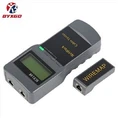


Fiber Fusion Splicer
Your Professional Fiber Fusion Splicer Supplier
We are a franchise enterprise specializing in fiber network products. Our products include optical fiber tools and accessories such as optical power meters, red light pens, fiber jumpers, tail fibers, integrated optical power and red light machines, cold connectors, transceivers, Optical Time Domain Reflectometers (OTDR), optical fiber fault detection equipment, network testers, fast connectors, cold pick-up tools, and more.We focus on product development and sales and have a professional technical team. Our company offers comprehensive, high-quality services backed by strong financial strength.
Why choose us
R&D Capability
From market research and demand analysis to project approval, product planning, functional design, and visual design, every step follows a strict research and development management system, ensuring a stable and reliable product experience for users.
Professional Team
Our professional team collaborates and communicates effectively, and is dedicated to delivering high-quality results. We are capable of handling complex challenges and projects that require our specialized expertise and experience.
24H Online Service
We strive to respond to all concerns within 24 hours, and our teams are always available to assist in case of emergencies.
Quality Control
We have established a professional quality control team to thoroughly inspect every raw material and each production process.


What is the Optical fiber fusion Splicer ?
Optical fiber fusion splicer is a mechanical device that physically connects two optical fiber end faces. This process will vary depending on the type of optical fiber spliced. It is mainly used for the construction, maintenance and emergency repair of optical cable lines of telecom operators, communication engineering companies and institutions, so it is also called optical cable fusion splicer.
How to Use a Fiber Fusion Splicer?
The process for using a common single-core fiber fusion splicer is generally the same. You will need the following preparation tools: optical fiber heat shrinkable tube, stripping pliers, optical fiber cleaver, dust-free paper, and alcohol.
Prepare the Optical Fiber
Strip the fiber optic cable and fix it to the fiber tray. Common optical cables include stranded, framed, and central bundled tube types. Different optical cables require different stripping methods. After stripping, fix the optical fiber to the fiber tray.
Pass the Fiber Through the Heat Shrink Tube
Pass the stripped optical fibers through the heat shrinkable tube. Separate optical fibers of different bundles and colors before passing them through the tubes.
Turn on the Splicer and Select Splicing Method
Power on the splicer and choose the appropriate splicing method. Modern fiber fusion splicers have automatic fiber recognition, allowing them to identify various types of optical fibers.
Prepare the Fiber Ends
Use a dedicated stripping tool to remove the coating from the fiber. Clean the bare fiber with high-concentration alcohol, and then use a precision fiber cleaver to cut the fiber to the required length.
Place the Fiber in the Splicer
Place the optical fiber into the V-shaped grooves of the fusion splicer. Adjust the fiber position in the pressure plate based on the fiber length, and correctly place the fiber into the windshield. Gently close the fiber pressure plate to secure the fiber.
Fusion Splicing the Fiber
Press the splice button to bring the fibers together. The fusion splicer will stop moving once the gap between the fiber ends is correct. The splicer then sets the initial gap, measures the splice, and displays the cutting angle. After the initial gap is set, the core or cladding alignment is adjusted, and the gap is reduced. The high-voltage arc generated fuses the fibers together. The microprocessor will then calculate the splice loss and display the value. If the loss is higher than expected, press the discharge button to discharge and recalculate the loss.
Reinforce the Fusion Splice
Remove the optical fiber from the splicer, open the windshield, and move the heat shrink tube to cover the fusion splice. Place the tube in the heater to shrink it. Be careful not to touch the heat shrink tube or the ceramic part of the heater during this process due to the high temperature.
Coil and Fix the Fiber
Place the connected optical fiber into the fiber receiving tray. Fix the fiber, the receiving tray, splice box, or terminal box as needed to complete the operation.
Specifications
|
Parameters |
Specification |
|
Applicable Fibers |
SM (G.652 & G.657), MM (G.651), DS (G.653), NZDS (G.655),EDF |
|
Fiber Type |
Single core |
|
Splice Loss (dB) |
0.02 (SM) |
|
Typical Splice Loss (dB) |
0.01~0.05 |
|
Return Loss (dB) |
≥60 |
|
Typical Splicing Time (s) |
6 |
|
Typical Heating Time (s) |
20 (time can be set and temperature can be adjusted) |
|
Fiber Aligning Methods |
Core alignment |
|
Fiber Diameter (μm) |
Cladding diameter: ≥100 |
|
Fiber Cleaved Length (mm) |
8 ~ 16 |
|
Fiber Holder |
Multifunctional holder (used for bare fiber, pigtail, patch cord and drop cable) |
|
Heat Shrink Tubing (mm) |
20~60 |
|
Tension Test (N) |
1.5~2.0 |
|
Lighting |
3 high-power LED whit light |
|
Display |
5 inch touch screen |
|
Operation Method |
Button/ touch screen |
|
Screen Lightness Adjustable |
Yes |
|
Fiber Image Magnification |
Double click 500X (X, Y, X/Y view) |
|
Splicing Program |
41 |
|
Heating Program |
50 |
|
Storage of Splice Loss |
20000 pieces |
|
Terminal |
Mini USB2.0 |
|
Battery |
Li-battery, 5200mAh, no less than 280 times (splicing and heating) |
|
Electrode Life |
3000 ARCS (battery life can be extended more than 20% by using an electrode grinder) |
|
Power Supply |
Input AC 100 ~ 240V |
|
Operation Temperature (℃) |
-10 ~ +50 |
|
Storage Temperature (℃) |
-40 ~ +60 |
|
Relative Humidity |
0 ~ 95%, no condensing |
|
Dimensions (mm) |
165(L) × 160 (W) × 140 (H) |
|
Weight (kg) |
2.2 (including rubber bumper, not including battery) |
How Does A Fiber Fusion Splicer Work?

Alignment
Using small, precise motors, the fusion splicer makes minute adjustments to the fibers’ positions until they’re properly aligned, so the finished splice will be as seamless and attenuation-free as possible. During the alignment process, the fiber optic technician can view the fiber alignment, thanks to magnification by optical power meter, video camera or viewing scope.
Impurity Burn-Off
Since the slightest trace of dust or other impurities can wreak havoc on a splice’s ability to transmit optical signals, you can never be too clean when it comes to fusion splicing. Even though fibers are hand-cleaned before being inserted into the splicing device, many fusion splicers incorporate an extra precautionary cleaning step into the process. Prior to fusing, they generate a small spark between the fiber ends to burn off any remaining dust or moisture.


Fusion
After fibers have been properly positioned and any remaining moisture and dust have been burned off, it’s time to fuse the fibers ends together to form a permanent splice. The splicer emits a second, larger spark that melts the optical fiber end faces without causing the fibers’ cladding and molten glass core to run together (keeping the cladding and core separate is vital for a good splice — it minimizes optical loss). The melted fiber tips are then joined together, forming the final fusion splice. Estimated splice-loss tests are then performed, with most fiber fusion splices showing a typical optical loss of 0.1 dB or less.
Common breakdowns and troubleshooting
|
Breakdowns |
Reasons and troubleshooting |
|
Monitor displays: Left (Right) Fiber Not Found |
Inadequate cleave length of bare fibers, or fiber end-face is too far away from the electrodes. Make fibers visible in the monitor when loading them. |
|
Monitor displays: Splice Failed |
Improper choice of splice parameters or unstable ARC. Fiber overlap is inadequate or no push when splicing. Fibers are loaded badly. |
|
Electrodes do not perform ARC or ARC is unstable |
Possible reasons: Improper setting of ARC parameter. Electrodes are too dirty or the tips are damaged. Dirty fiber surfaces. Solutions: Choose proper ARC parameter. Clean or replace the electrodes. Reprocess fibers to be spliced. |
|
Electrodes do not perform ARC or ARC is unstable |
Bad end-face. Re-prepare fiber end-face. V-groove or fibers are dirty and need clean. Reload fibers. |
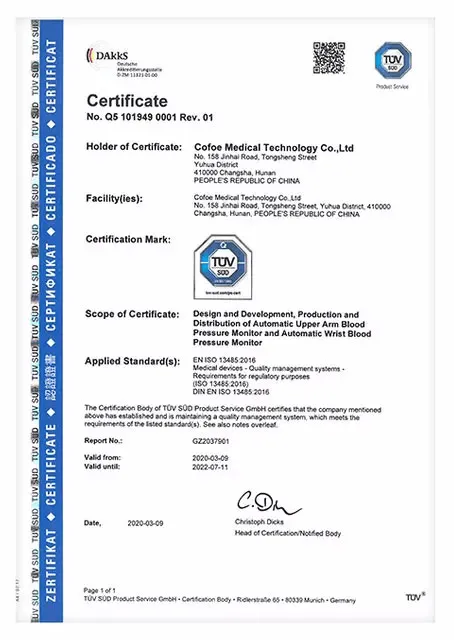
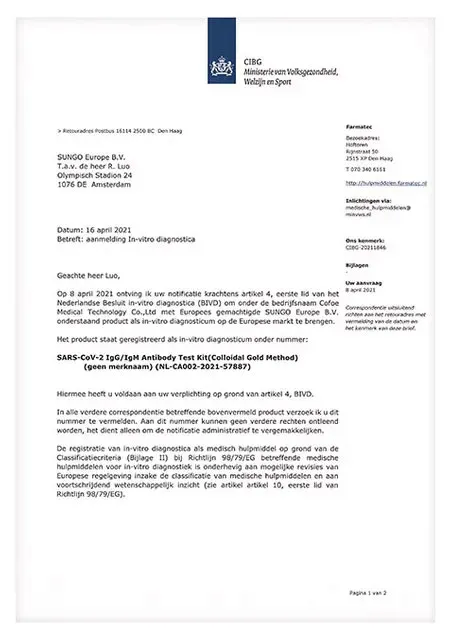
Certifications


FAQ
As one of the most professional fiber fusion splicer manufacturers and suppliers in China, we're featured by quality products and good service. Please rest assured to buy fiber fusion splicer at competitive price from our factory.
Master Cable Tester, Fully Automatic Leather Wire Welding Machine, 16 core optical cable