


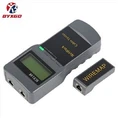


Fiber Media Converter
Your Professional Fiber Media Converter Supplier
We are a franchise enterprise specializing in fiber network products. Our products include optical fiber tools and accessories such as optical power meters, red light pens, fiber jumpers, tail fibers, integrated optical power and red light machines, cold connectors, transceivers, Optical Time Domain Reflectometers (OTDR), optical fiber fault detection equipment, network testers, fast connectors, cold pick-up tools, and more.We focus on product development and sales and have a professional technical team. Our company offers comprehensive, high-quality services backed by strong financial strength.
Why choose us
R&D Capability
From market research and demand analysis to project approval, product planning, functional design, and visual design, every step follows a strict research and development management system, ensuring a stable and reliable product experience for users.
Professional Team
Our professional team collaborates and communicates effectively, and is dedicated to delivering high-quality results. We are capable of handling complex challenges and projects that require our specialized expertise and experience.
24H Online Service
We strive to respond to all concerns within 24 hours, and our teams are always available to assist in case of emergencies.
Quality Control
We have established a professional quality control team to thoroughly inspect every raw material and each production process.


What is Fiber Media Converter
A fiber media converter is a device that enables the connection of different types of network media, such as copper and fiber optic cables. It allows for the conversion of electronic signals to optical signals, allowing for transmission over longer distances and improving overall network performance.
Features of Fiber Media Converter
Compliant with IEEE 1000Base-T and 1000Base-LX
One 1000Base-T RJ-45 port
One 1000Base-LX/SX Port w/ SC/ST-Type Connector
Status LED indicators for Power, Link/Activity, Full-Duplex, and Speed
Wall-Mountable
Optional 19” system chassis with redundant power supply (AN-CH05), holds up to 14 AN-UMG series Media Converters
DIP switch allows LFP (Link Loss Feature) on/off
DIP switch allows turn on/off Jumbo Frame support
Configurable Store/Forward modes
On/Off setting for Pass through mode
Smart pass through, Modified cut through modes set by dip switches
CE, FCC & RoHs compliant
|
Protocol Standard |
IEEE802.3, IEEE802.3u, IEEE802.3x Flow control, IEEE802.1q, IEEE802.1p QoS, IEEE802.1d Spanning Tree |
|
Wavelength |
850nm/1310nm/1550nm |
|
Transmission Distance |
Cat5 100m Multimode, Single/Dual-fiber 2Km Single Mode, Single-fiber 20/40/60/80/100Km Single Mode, Dual-fiber 20/40/60/80/100/120Km |
|
Ethernet Port |
10/100M RJ45 Ports, Connection STP / UTP Cat5/Cat5e Cooper Cable |
|
Fiber Port |
Multimode, Dual-fiber SC/ST/FC (Diameter 50/125, 62.5 / 125μm) Single Mode, Single Fiber, SC/ST/FC (Diameter 9/125μm ) Single Mode, Dual-fiber SC/FC (diameter 9/125μm ) |
|
Exchange Attribute |
Conversion Method: Media conversion, store and forward / straight in MAC Add: 1 K Cache: 1 Mbit Full duplex state: Flow control, half-duplex: backpressure mode Store and Forward: 9.6us, Straight In: 0.9us BER: <1/1000000000 |
|
LED Indicator |
PWR( Power Supply ) Blue:TX LINK/ACT(Ethernet port communication / action ) Yellow:TX LINK/ACT ( Ethernet port connection on ) FX ( Optical signal ) |
|
Power Supply |
Power Input: DC5V2A Full Load: <2.5 W |
|
Working Environment |
Operating Temperature: -20~70℃ Storage Temperature: -40~70℃ Storage Humidity: 5% to 90% non-condensing |
|
Dimension |
95*71*26mm ( L * W * H ) |
|
Certification |
CE, FCC, RoHS |
|
Warranty |
3-years |
Fiber Media Converters play a crucial role in bridging the gap between different fiber optic networks, enabling seamless connectivity and enhancing network capabilities. Here are some detailed applications of Fiber Media Converters:
Interconnecting Fiber Networks
Fiber Media Converters are commonly used to interconnect fiber networks that utilize different types of fiber optic cabling, such as single-mode and multimode fibers. By converting the signal from one type of fiber to another, these converters facilitate interoperability and connectivity between diverse fiber networks. This application is particularly useful in environments where network upgrades or expansions require the integration of multiple fiber types to ensure smooth communication and data transmission.
Extending Network Distance
Another key application of Fiber Media Converters is in extending the network distance beyond the limitations of a single fiber link. These converters can be employed to extend the reach of fiber optic networks by converting optical signals and transmitting them over longer distances without signal degradation. By incorporating Fiber Media Converters into the network infrastructure, organizations can overcome distance constraints and establish reliable long-distance connections between network segments or remote locations.
Network Migration
Fiber Media Converters are essential tools for network migration projects that involve transitioning from legacy fiber technologies to newer fiber optic standards. During network upgrades or technology transitions, these converters facilitate the integration of existing fiber infrastructure with modern fiber systems. By converting signals between different fiber types or standards, Fiber Media Converters enable a seamless migration process, allowing organizations to leverage the benefits of advanced fiber technologies without the need for costly infrastructure overhauls.
Compatibility Enhancement
Fiber Media Converters enhance compatibility between various fiber optic devices and components within a network ecosystem. They enable the conversion of different optical interfaces, wavelengths, or transmission speeds, ensuring that disparate network elements can communicate effectively with each other. By supporting a wide range of fiber types and configurations, these converters promote interoperability and flexibility, enabling organizations to build versatile and scalable fiber optic networks that can adapt to evolving requirements and technologies.
Considerations for Using Fiber Media Converter in a Network


Media converters are simple plug-and-play devices, yet you still have to consider some factors when connecting them to the network.
Installation Location: It is better to choose a flat, secure place to install the media converter. Leave ample space around the converter for ventilation.
Consistent Wavelength and Speed: The wavelengths of the transceivers on both media converters should be consistent. For example, if one transceiver has a wavelength of 1310nm/850nm, the other one should have the same. Additionally, the data rates of the transceivers and the media converters must match. If you are using 1000BASE SFP transceivers, the media converters should be gigabit. Also, the transceiver type on a pair of media converters should be the same, using either single mode or multimode optical transceivers on both sides.
Matching Fiber Patch Cable Interfaces: The end face of the fiber patch cable should align with the port on the media converter. Generally, SC fiber patch cables are used to connect media converters with SC ports, while LC fiber patch cables are plugged into the SFP/SFP+ ports on fiber media converters.
Duplex Modes: Confirm whether the media converter supports full-duplex or half-duplex transmission. Using full-duplex media converters with a switch or hub in half-duplex mode will cause serious packet loss in the network.
Operating Temperature: The operating temperature should be maintained within a proper range, or the media converter might fail to work. The parameters can vary for media converters from different vendors.
Rack Installation: Confirm the size of the fiber media converter if you intend to install it in a rack. Accessories like hanging ears and screws might be needed.
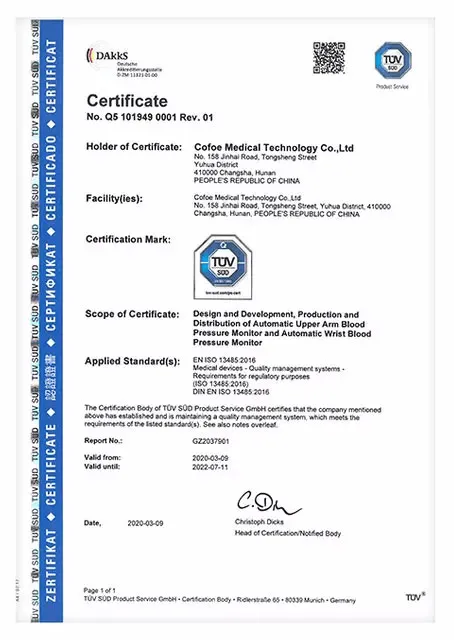
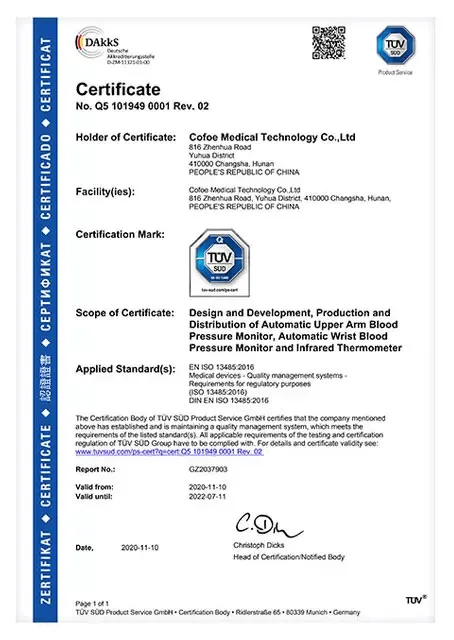
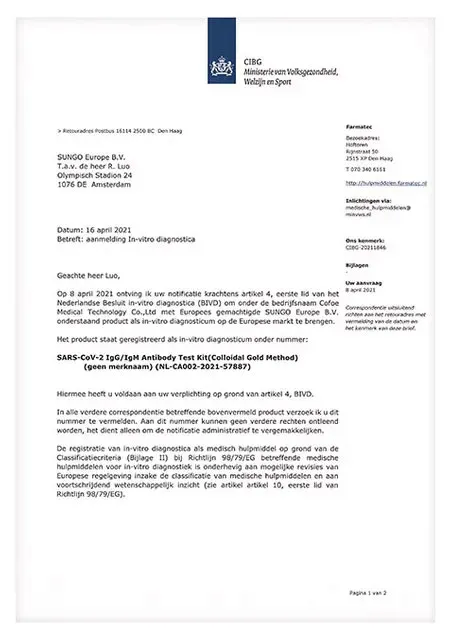
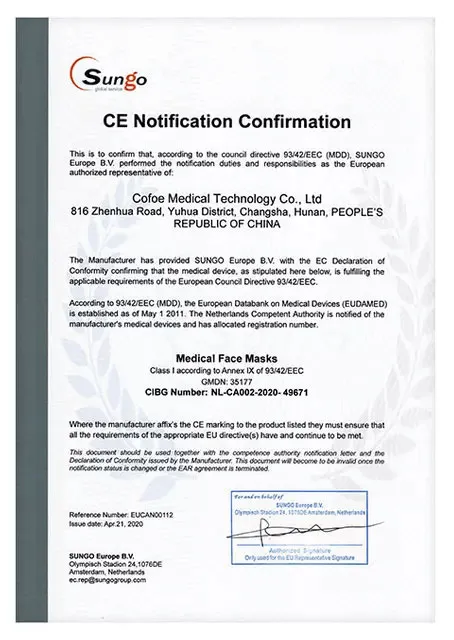
Certifications
FAQ
As one of the most professional fiber media converter manufacturers and suppliers in China, we're featured by quality products and good service. Please rest assured to buy fiber media converter at competitive price from our factory.
50m optical cable, Terminal board wiring, bfoc connector